Developpement Durable 1Developpement Durable 1
©Developpement Durable 1|Guillaume Voiturier

Sustainable development

Grimaud is committed to preserving its heritage, to pass on to future generations. As such, the local council, Tourist Office and local businesses are joining forces to build a greener, more eco-friendly future, paving the way for an ecological transition.

Be proud to be a responsible tourist!

During your stay, keep up the pace and practice good habits on a daily basis.

Whether it’s preserving water resources, waste management, energy consumption, eco-responsibility, short circuits or digital technology, mobility, marine biodiversity or the risk of forest fires: just a few simple gestures to give the planet a break.

Check out our practical and fun ‘responsible’ guide.

Being responsible to help prevent wildfires

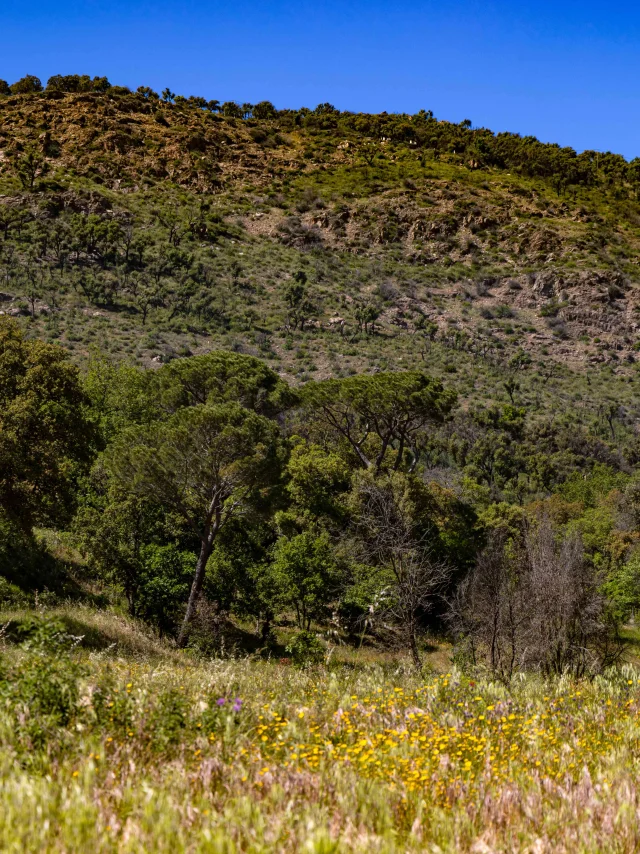
The department of Var, and the Maures mountains in particular, are especially vulnerable to forest fires due to the Mediterranean climate. Summers are often extremely hot, and these temperatures exacerbate drought conditions and greatly increase the risk of wildfires. These extreme weather conditions, combined with dense vegetation and the steep mountainous terrain, create an environment where flames can spread rapidly.
When there are strong winds, the damage can be spectacular and devastating, and firefighting efforts are extremely challenging. Protecting these natural areas is therefore crucial to safeguard biodiversity and nearby homes.

Vital issues for the region

The Mediterranean forest surrounding Grimaud is home to rich biodiversity and plays a key role in maintaining the area’s ecological balance. However, these ecosystems are particularly vulnerable to wildfires, which are made even worse by the weather conditions in summer. Fire prevention is therefore a top priority, for protecting both nature and the communities that live nearby.

Using water wisely and not wasting it

Although seas and oceans make up 97% of all the water on our planet, only 3% is fresh water. Of that 3%, just over two-thirds are locked up in ice caps and glaciers, and about one-third in deep underground reserves.
This means that only 0.3% of the world’s water is actually available and can be used by living beings on Earth. This is why it is such a precious resource. Over the past 10 years, each individual has used an average of 148 litres of water per day. 93% of that water goes to hygiene (toilet, shower, bath, dishwasher, etc.), and 7% is used for drinking and cooking.

Vital issues for the region

The supply of drinking water to the Gulf of Saint-Tropez comes from a shallow groundwater source located beneath the communes of Grimaud and Cogolin (in the Giscle and Mole plains). This alluvial aquifer can provide up to 4 million cubic metres per year. That might sound like a lot, but it’s not enough to meet demand when the local population increases fivefold during the summer season. During low-water periods, the Verne dam helps regulate water levels by replenishing the Verne river.

Choosing products sourced locally

Short supply chains refer to systems for selling agricultural and food products that involve few or no intermediaries between the producer and consumer. Buying in this way means you are supporting local and seasonal products, reducing transport distances and boosting the local economy. A truly sustainable choice! By buying directly from producers in the Gulf, you enjoy fresher products while helping reduce the carbon footprint linked to long-distance transport. Short supply chains also strengthen the connection between producers and consumers, encouraging a better understanding of farming practices and local expertise and know-how.

Vital issues for the region

Supporting local supply chains is essential in the Gulf of Saint-Tropez to boost the local economy and protect the environment. The region’s agricultural production is vast and there is a wide variety of local produce available, from vegetables and goat’s cheese to wines and Provençal specialities. By choosing local markets and producers’ cooperatives, you are doing your part to support the local economy and preserve the region’s agricultural sector.
Make sure you stop by the markets of Grimaud and Port Grimaud if you’re looking to discover authentic local produce. At the Grimaud Winegrowers’ Cooperative, you can sample a wide range of local wines, from full-bodied, structured red wines to light and fruity rosés. You can expect a vibrant atmosphere, where expert know-how meets a true passion for quality.

Recognising the importance of protecting marine biodiversity

Marine biodiversity is key in keeping our global ecosystem in balance. Oceans and seas are home to an incredible diversity of species and they play a crucial role in regulating the climate and producing oxygen. However, pollution, climate change and non-sustainable tourism are threatening this precious natural heritage.

Vital issues for the region

The Gulf of Saint-Tropez, including Grimaud, is an area of high value, both in terms of ecology and tourism. This region is bordered by the Mediterranean Sea, which is home to diverse marine wildlife, specifically Posidonia meadows and a vast array of fish species.
It is crucial that we safeguard this biodiversity to ensure the region remains attractive to visitors, and to protect local ecosystems. Certain practices linked to tourism such as the use of non-environmentally friendly sun cream, can have negative impacts on these fragile habitats.

Less waste and more sorting

Over the past forty years, the quantity of waste produced by individuals in France has doubled, to a point where it is now estimated that 500 kilos are produced per person, per year. This is due to the current consumer society, where waste has never been so abundant, and this rise has devastating consequences for the environment. Every minute, the equivalent of a bin lorry full of plastic waste ends up in the oceans, and this figure is expected to triple by 2060 if nothing is done.

Vital issues for the region

The volume of rubbish collected per inhabitant is particularly high in the south-east area of the region, and even more so during the summer. Any packaging, glass and paper should be separated from household waste and put in the designated containers that you’ll find at the voluntary recycling zones, so that these items can be recycled and transformed into new products.

Residual household waste (i.e. waste that has not been sorted) is either incinerated with heat and power recovery at the Toulon Energy Recovery Unit (UVE), or stored at a Non-Hazardous Waste Storage Facility. Do not hesitate to ask your host whether the rental is equipped with a compost bin or organic waste collection solution. If not, use the household waste bin.
Choosing eco-friendly transport solutions

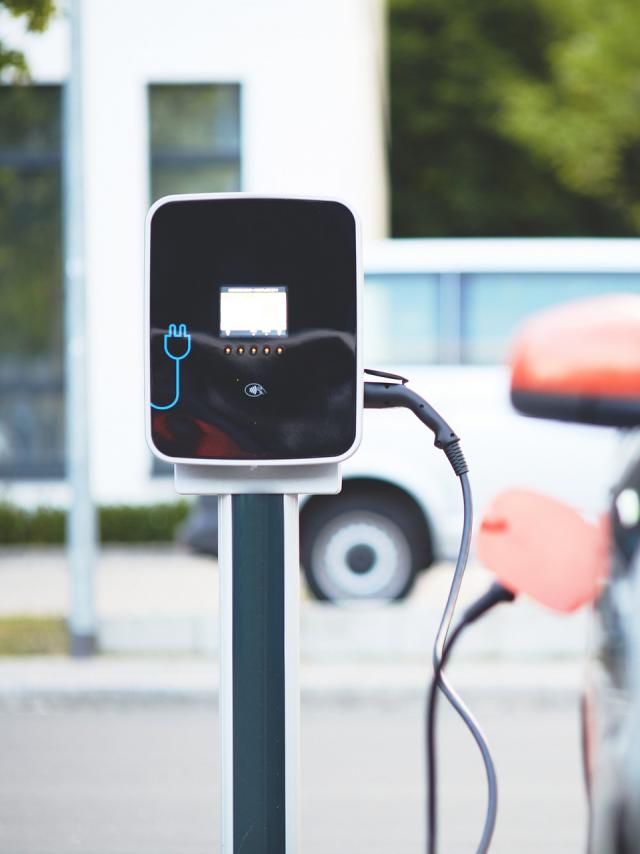
These solutions include walking, cycling, public transport and carsharing. Choosing these alternatives instead of the car can help to reduce greenhouse gas emissions, minimise traffic on the roads and promote a healthier lifestyle. In opting for environmentally friendly transport solutions, you are playing a part in protecting the local environment and at the same time, exploring the region in a more authentic and enjoyable way.

Vital issues for the region

It is essential to encourage the use of these transport solutions in Grimaud to preserve the excellent quality of life there and protect the incredible natural environment. In the peak season, there is a surge in the local population, which in turn, causes more traffic and pollution. Using public transport, bikes or carsharing solutions help offset these negative impacts.
Despite the isolated location of the Gulf of Saint-Tropez, there is more and more choice in terms of transport, including regional buses, nearby train stations and cycle paths along the coast.

Adopting more sustainable digital consumption habits

Digital pollution is often underestimated, but has a considerable impact on the environment. In 2003, the digital sector accounted for around 4% of global greenhouse gas emissions, which is equivalent to civil aviation. Every year, 50 million tonnes of electronic waste are produced, and only 20% of this is properly recycled. Data centres consume around 1% of the electricity demand worldwide, and video streaming is particularly high in energy consumption, accounting for over 60% of global Internet use. To reduce this pollution, we need to extend the life of our devices, recycle outdated equipment, and use digital technologies more responsibly.

Vital issues for the region

Adopt more sustainable digital consumption habits on holiday. A holiday is the perfect opportunity to disconnect from social media and spend quality time with your family in the great outdoors.
Limit the use of electronic devices and instead, enjoy more authentic experiences together. In reducing the time you spend online, not only are you minimising your carbon footprint, but you are also making special new memories with your loved ones. Take a break from the digital world and fully enjoy every moment of your eco-friendly holiday.

Taking the time to meet local craftspeople and discover their expertise

Craftsmanship is all about shaping materials with expert hands, combining traditional expertise with creativity. These products are often made by hand and are the result of many years of practice and passion. In Grimaud, local craftspeople nurture their talents across a variety of trades, offering unique, high-quality creations that reflect values of quality and sustainability. Discovering local arts & crafts also comes with a chance to meet the creators themselves who pour their heart and soul into every piece they make.

Vital issues for the region

Grimaud boasts a fascinating cultural and historical heritage, and is home to a vibrant community of craftspeople. Not only does their work contribute to the local economy, it also helps keep regional traditions and expertise alive. Supporting these local craftspeople helps maintain a diverse and resilient economy. By choosing handcrafted products, visitors also reduce their environmental footprint compared to industrial goods, which are often imported from afar.

What about holiday homes?

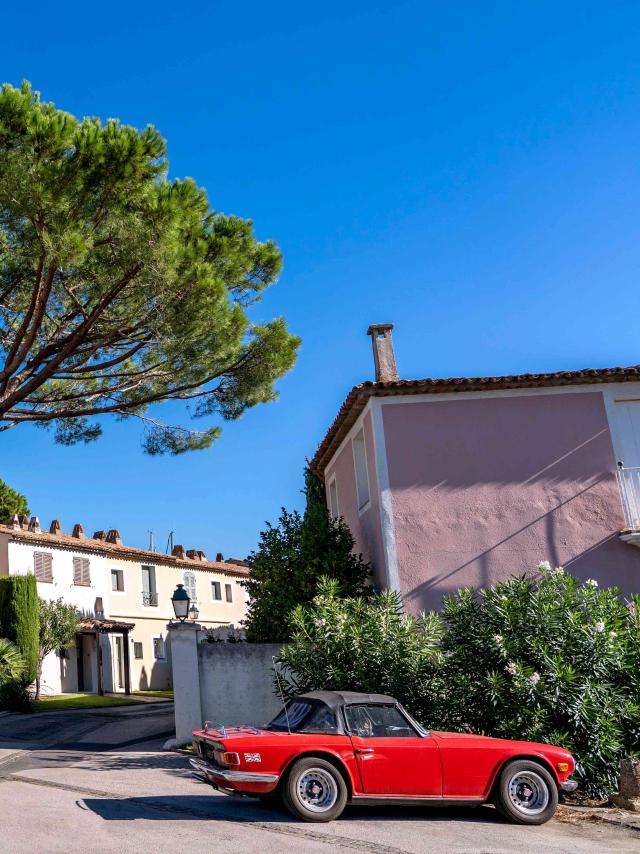
Having a holiday home in Grimaud is a chance to make the most of the warm Mediterranean climate and charming, authentic Provençal village. But to make sure this wonderful setting stays as it is, you’ll need to adopt an environmentally friendly approach.

Being an eco-conscious homeowner is about finding the right balance between comfort and the environment.

And recreational boating?

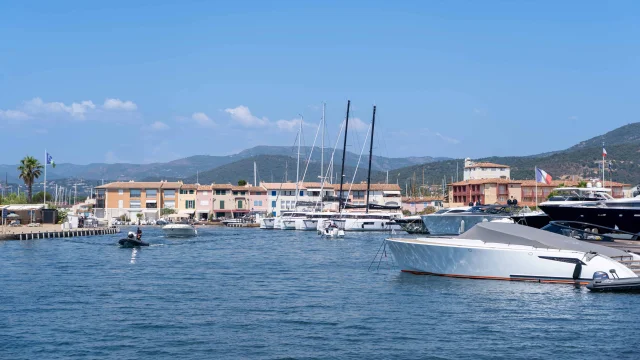
Sailing in Grimaud is a unique privilege. But this fragile marine beauty deserves your full attention. By adopting a few simple habits, you can become an eco-responsible sailor and do your part to protect the Mediterranean.
Preventing water pollution, limiting water consumption, using eco-friendly cleaning products and dropping anchor only in designated areas are all small steps that can make your sailing experience a more sustainable one.

To know

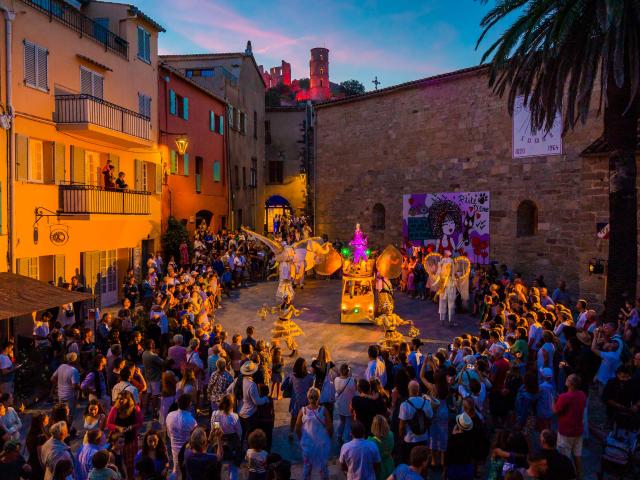
Since 2023, Grimaud’s biggest festival, Les Grimaldines, has been stepping up its efforts to become a more responsible event.

These include membership of the COFEES (Collectif des festivals éco-responsables et solidaires en Région Sud), a primer on the festival’s values and commitments, an eco-festival charter, etc.

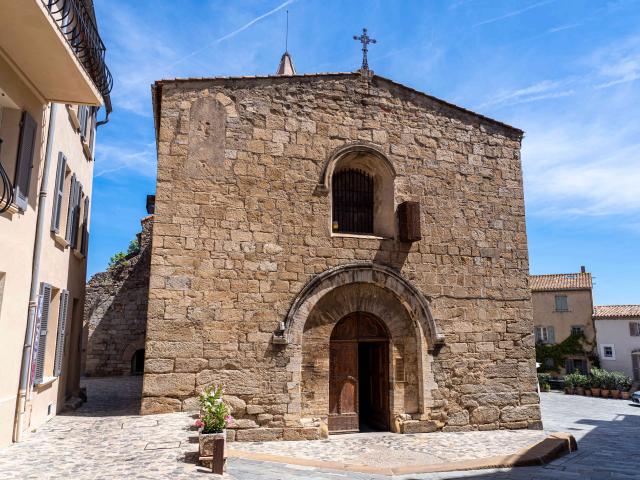
For many years, bees have taken up residence on two façades of Saint-Michel church, and the local authority was keen to protect them from Asian hornets.
Since 2020, the local authority has installed two protective cages for the swarms of bees.