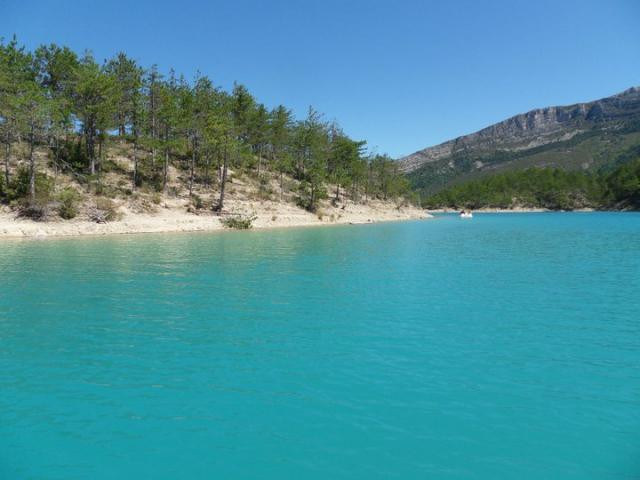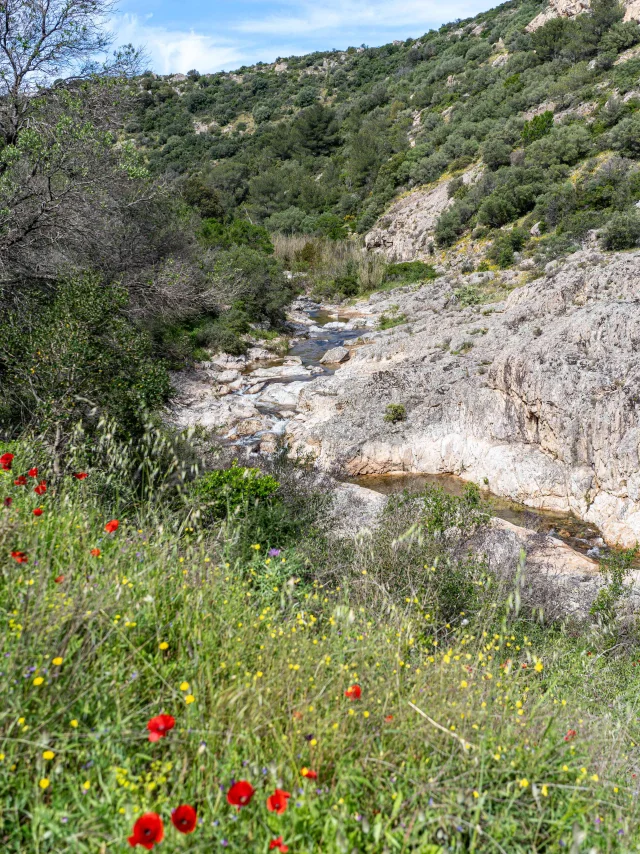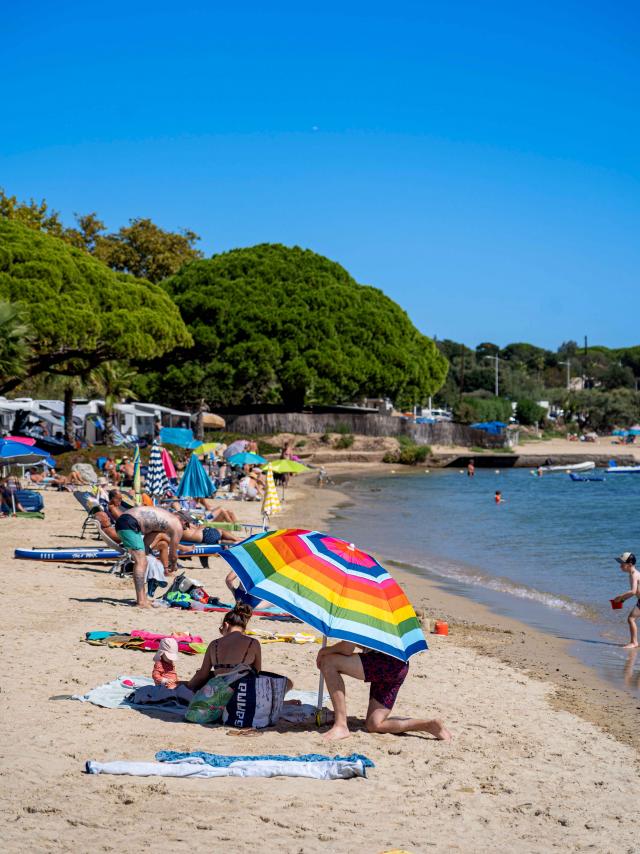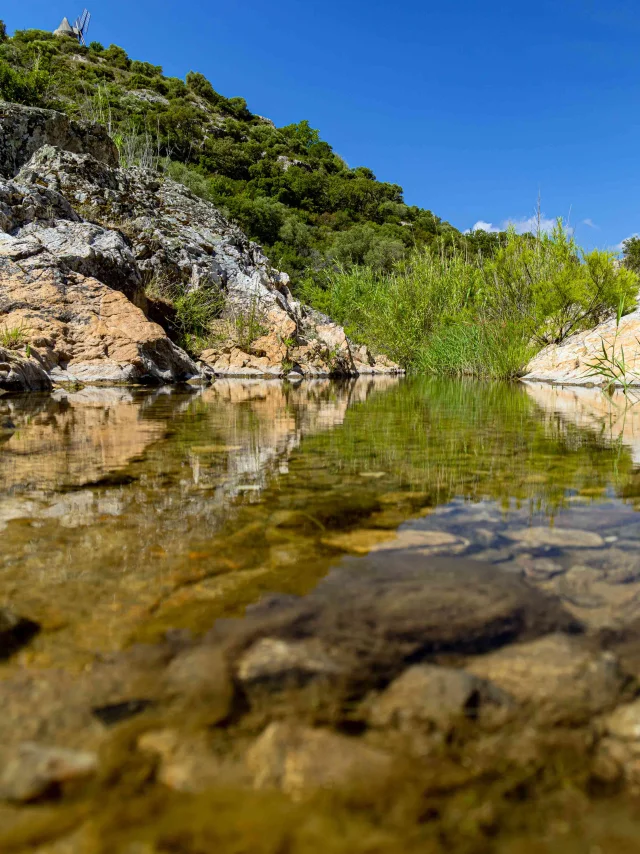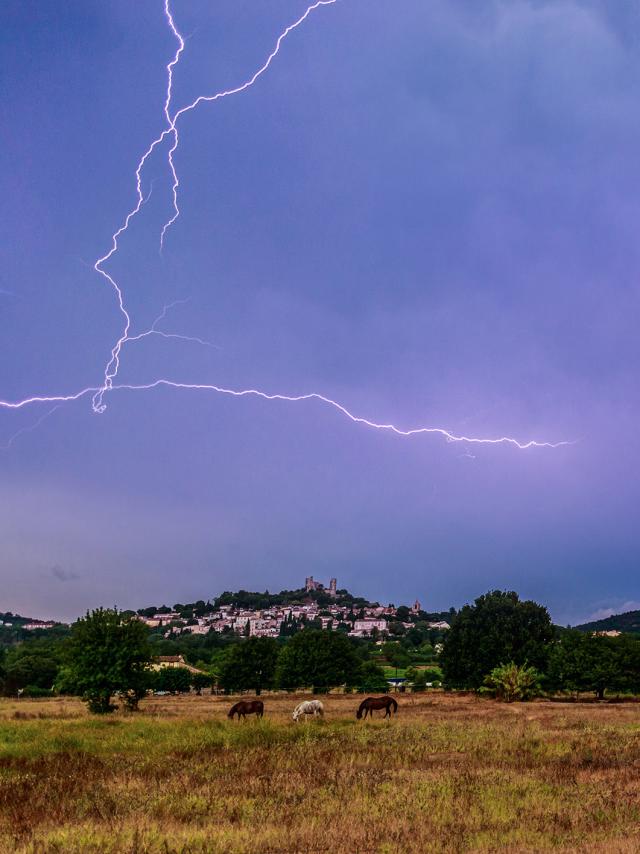
The Maures mountains and Gulf of Saint-Tropez are set at the heart of the Provence-Alpes-Côte d’Azur region and this whole natural area is truly remarkable, thanks to the diverse Mediterranean landscapes and quaint seaside villages.
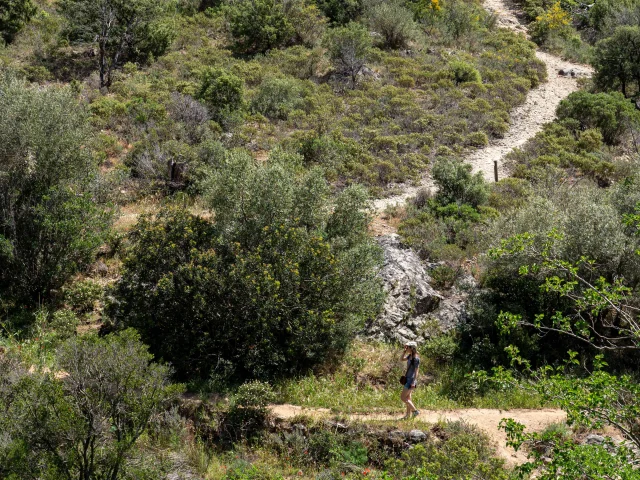
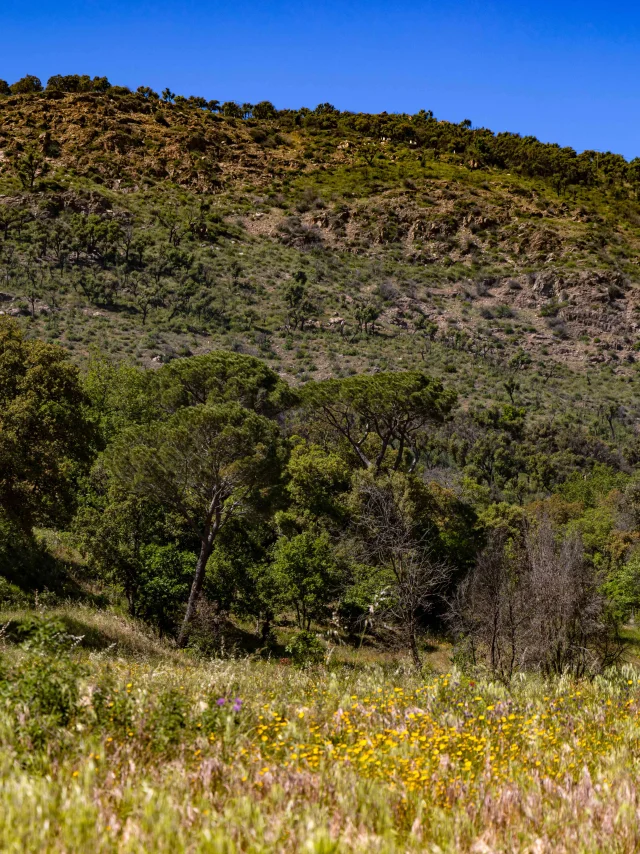
The Maures mountains are densely populated with cork oak and maritime pine forests and shrubland, making it a haven of biodiversity. Thanks to the staggering slopes and secret valleys, this is a fantastic destination for hikers looking to explore wild, unspoilt nature.
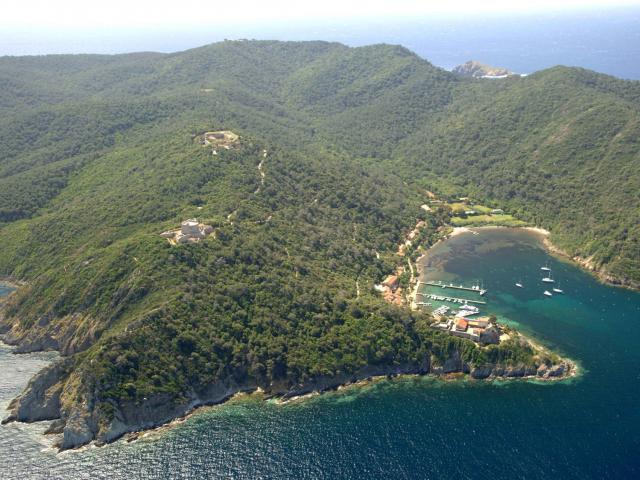
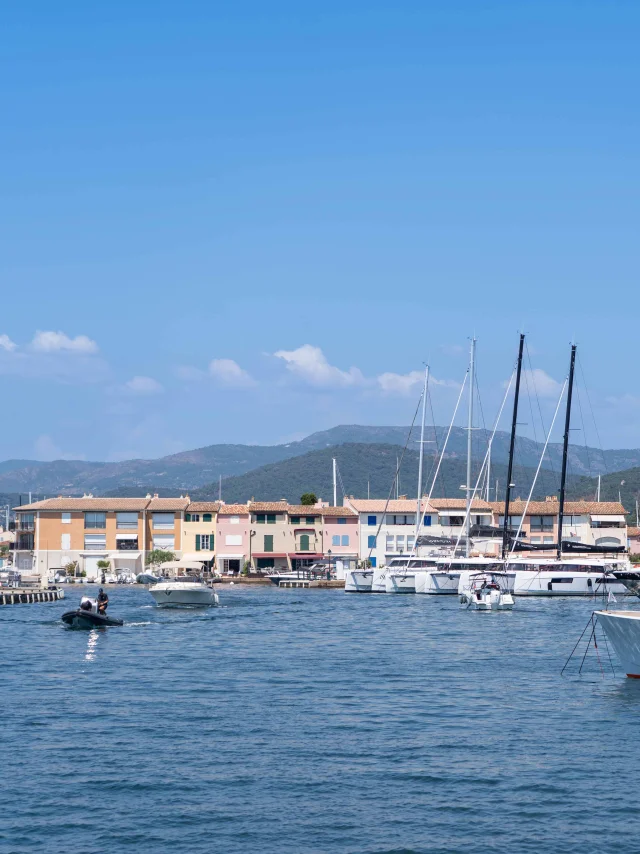
Below the hills, the Gulf of Saint-Tropez offers a stark contrast with its sandy beaches and turquoise-blue waters. Here is where nature unites with vibrant human activity, where picturesque villages, bustling ports and vineyards stretching across the plains shape a truly unique landscape.
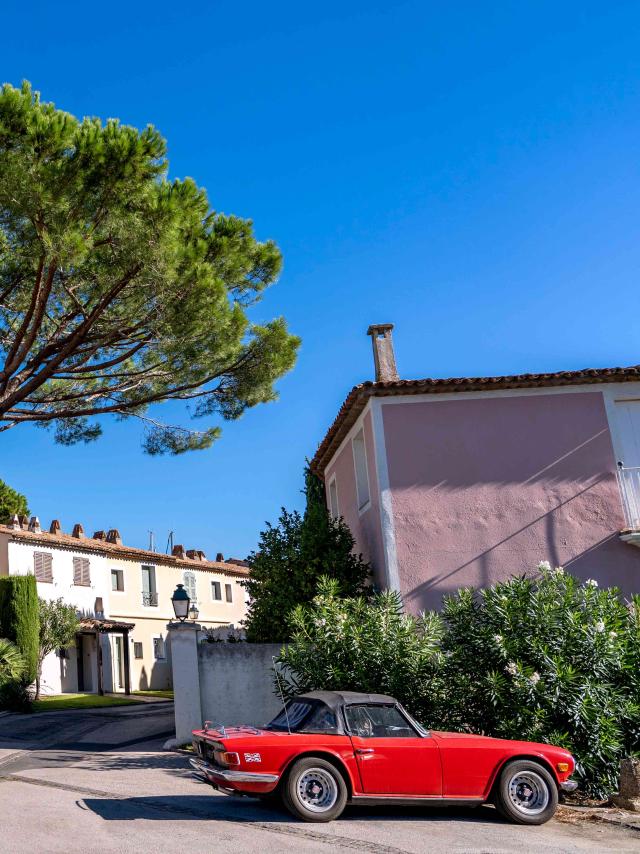
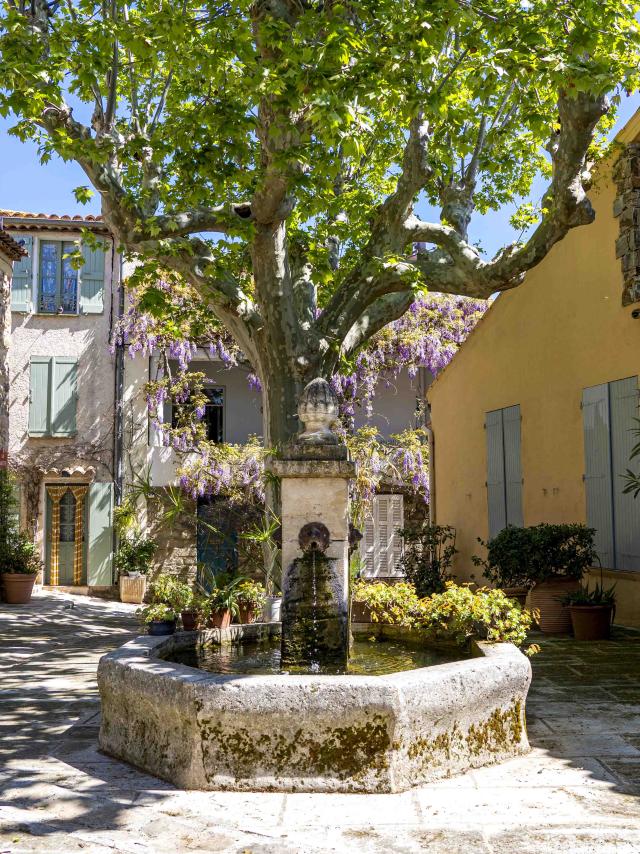
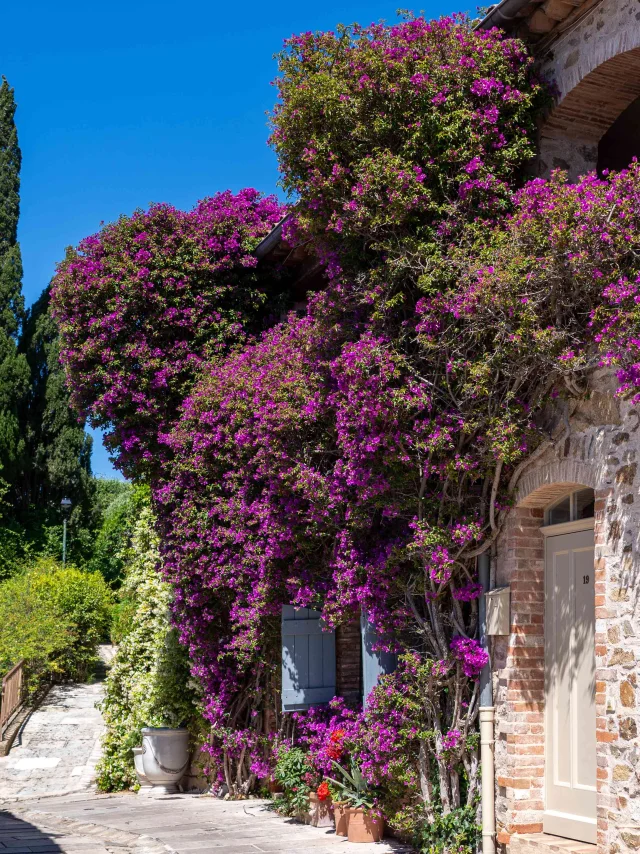
Local traditions are kept alive thanks to the typical architecture of Provençal houses, village festivals and colourful markets, reflecting a vibrant and authentic rural culture. If you explore Grimaud as an environmentally friendly traveller, you will be helping to preserve this fascinating natural and cultural heritage.
The characterstics of the Grimaud region
- Climate
Grimaud enjoys a Mediterranean climate, with hot summers and mild and wet winters. The average annual temperature is around 15°C, and it rains mainly in autumn and winter.
- Geology
The subsoil of Grimaud is composed mainly of metamorphic rocks, particularly schist and gneiss, dating back to the Palaeozoic era. This complex geology is the result of the region’s dynamic tectonic history.
The plain consists of recent alluvial deposits carried by local watercourses. - Topography
Grimaud’s topography is varied, ranging from coastal plains to rugged hills.
To the west are the Maures mountains, offering a staggering landscape and panoramic views over the Mediterranean Sea. - Hydrogeology
Grimaud’s groundwater resources are supplied by aquifers located in the alluvial valleys, as well as by deep water tables within the fractured rocks of the Maures mountains.
These aquifers provide water for both domestic and agricultural use. - Hydrology
Grimaud lies within the Giscle and Coastal Rivers of the Gulf of Saint-Tropez hydrographic sub-basin. There are several streams and temporary watercourses flowing through the area, shaped by the Mediterranean climate.
- Animal species
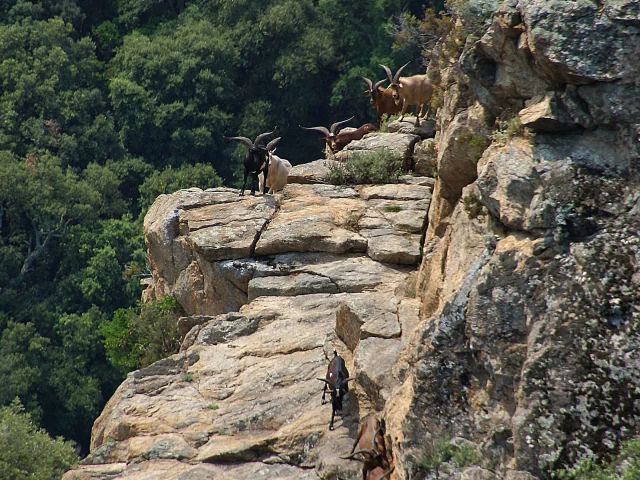
In Grimaud, there’s a wide variety of animal species, including the wild boar, roe deer and fox, as well as birds of prey such as the kestrel and Eurasian eagle-owl.
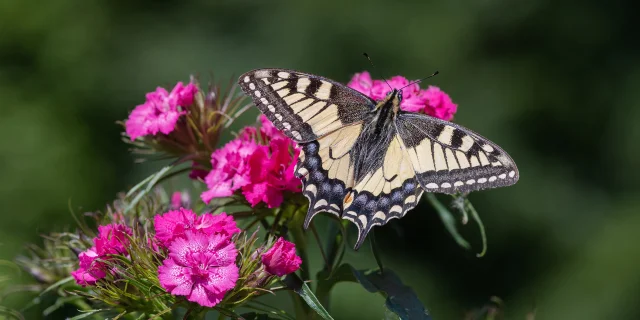
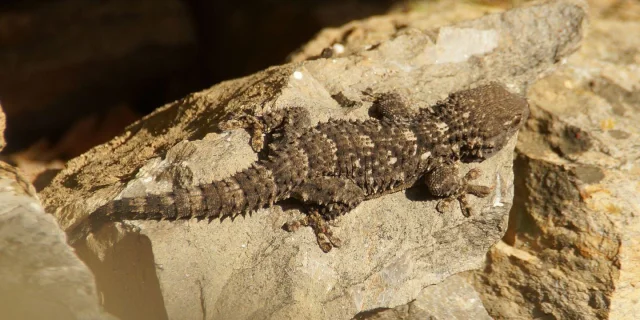
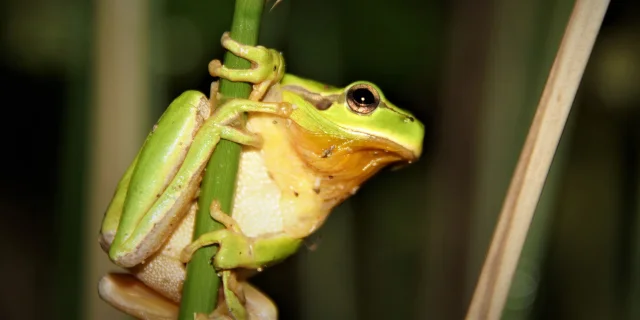
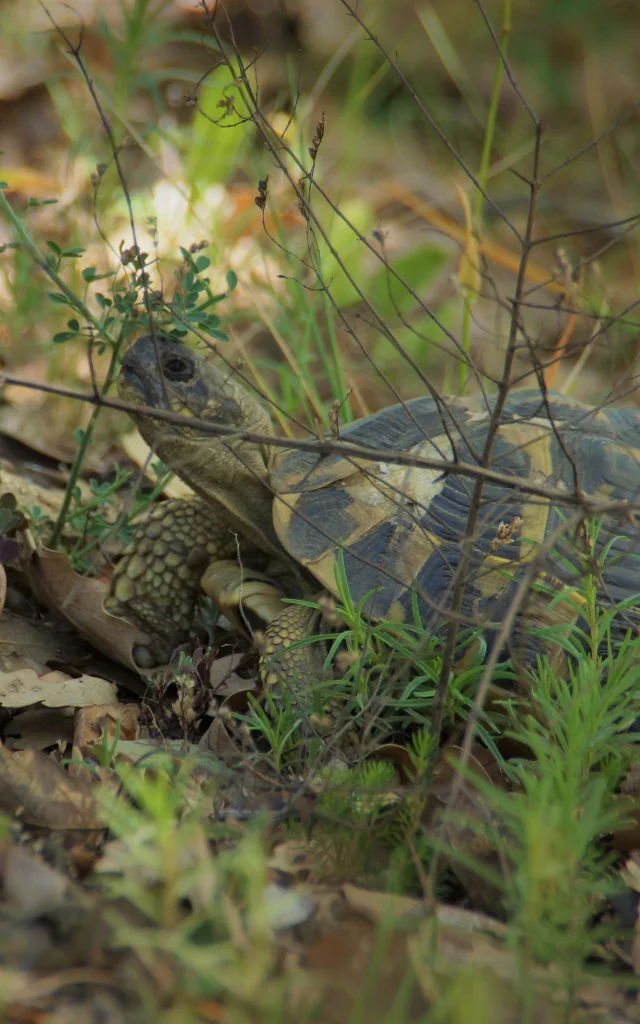
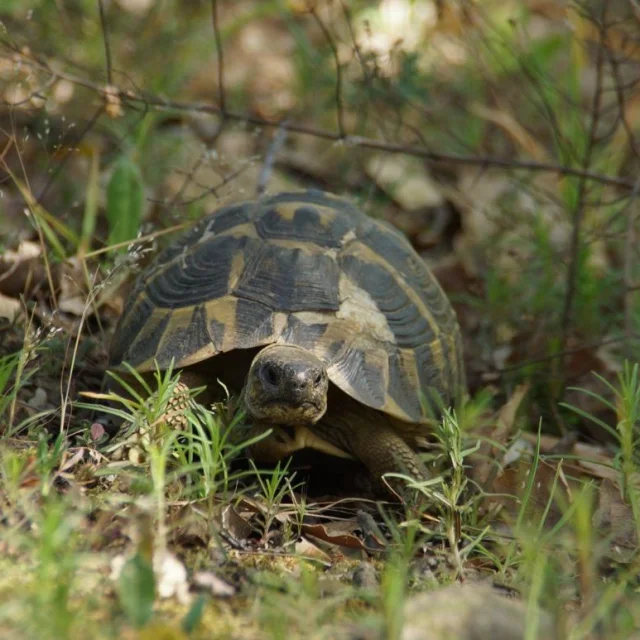
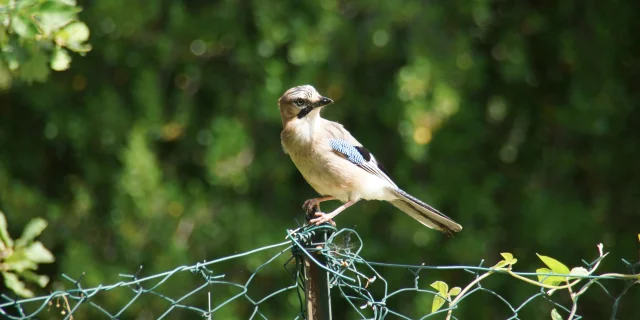
The Hermann’s tortoise, a characteristic species of the Maures mountains, is also found here. It is one of the most endangered reptiles in both Europe and globally.Other terrestrial species include the swallowtail butterfly, the Eurasian jay, the Moorish gecko, and the Mediterranean tree frog.
The close proximity to the sea also encourages the presence of various marine species. - Plant species
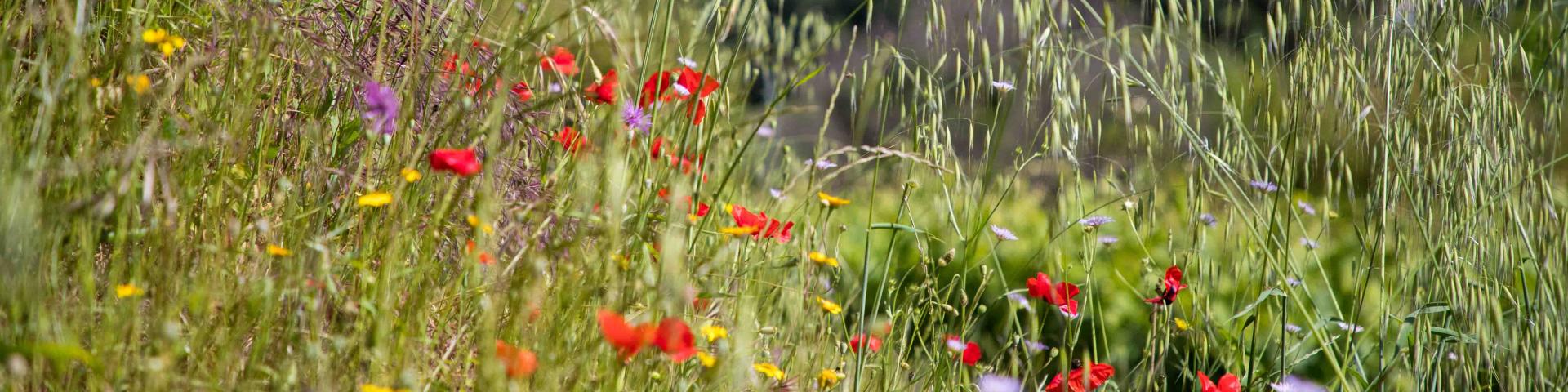
Grimaud’s vegetation is typically Mediterranean, with species such as cork oak, maritime pine, and olive trees. Maquis and garrigue scrubland cover a large part of the area, providing a diverse range of habitats that are home to remarkable biodiversity.