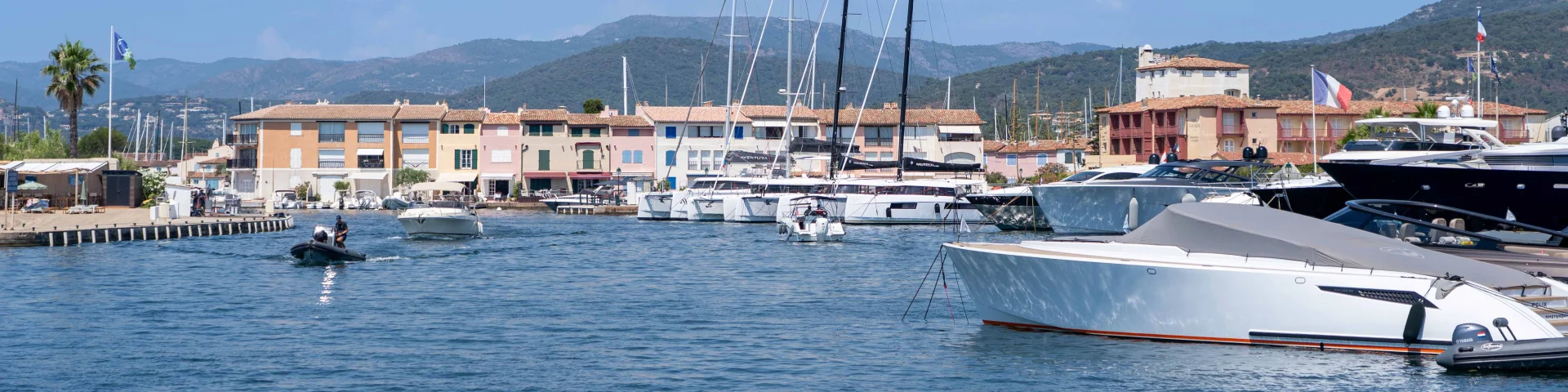
Port Grimaud Cite Lacustre Cote D Azur 120Port Grimaud Cite Lacustre Cote D Azur 120
©Port Grimaud Cite Lacustre Cote D Azur 120|Grimaud Tourisme

Become an eco-conscious sailor

Sailing in Grimaud is great fun, and above-all a privilege. Our coastline requires special care and attention, due to the Posidonia meadows and fragile marine wildlife. When sailing a boat here, you have a key role to play in protecting this unique environment.

By adopting a few simple habits, you can help prevent water pollution, safeguard natural resources, and respect marine wildlife. Everything you do counts, whether it’s when transporting your belongings, refuelling, maintaining your boat, or when you’re out at sea.

If you respect these recommendations, you’ll be able to make the most of your time on the water while reducing your impact on the environment. Because sailing in a sustainable way helps ensure that the beauty of Grimaud and the Mediterranean remains unspoiled for generations to come.

Preventing water pollution

  • Transporting your belongings

    Use sturdy bags or baskets to carry your things. Lightweight bags could blow away and end up in the water, thereby polluting marine ecosystems.

    Make sure your bags are properly closed to avoid anything falling out.

  • Managing ‘dirty’ water

    Discharging black water, grey water or bilge water is strictly forbidden in harbours and within three nautical miles of the coast. Violations can result in fines of up to €4,000 for vessels under 20 metres long.

    Make sure your boat is equipped with wastewater holding tanks and make use of the wastewater collection facilities available in ports (ask at the harbour offices for details).

  • Fuel

    Use pre-cut absorbent pads designed for boating. These pads have a hole in the centre and should be placed around the fuel inlet when refuelling. You can also use a large funnel to help prevent fuel from leaking.

    Fuel for boats is provided exclusively by the refuelling station at Port Grimaud. Any other means of refuelling within the boundaries of the public harbour area is strictly prohibited, unless specifically authorised by the port authority.

  • Cleaning products on board

    Make sure that cleaning products and washing-up liquids used on board are environmentally friendly and plant based.

    Choose concentrated formulas that can be used in small quantities.

    Opt for shampoos and shower gels made from natural ingredients.

    Encourage everyone on board to use these products sparingly and responsibly.

  • Boat maintenance

    Use eco-friendly cleaning and maintenance products whenever possible.

    Carry out maintenance work only in designated boatyards equipped to collect wastewater.

    Opt for mechanical cleaning methods rather than chemical products, to avoid water pollution and protect marine life.

  • Waste collection

    Make sure nothing blows overboard. When sailing, always keep separate rubbish bags for sorting your waste.

    A useful tip: empty a cockpit compartment and use it to store a large bag or bucket for empty plastic bottles, packaging, or cigarette butts.

    Sorting waste is essential. You must make sure you leave nothing behind you, whether you’ve spent a day or several weeks at sea.

    If you spot a plastic bag or piece of rubbish overboard, use a net or boat hook to fish it out of the water.
Respecting marine wildlife

  • Anchoring

    Drop anchor only on sandy areas to protect Posidonia meadows, and rinse your anchor at each location to avoid carrying invasive species from one place to another.

    If you sail towards the islands of Port-Cros or Porquerolles, make sure you check the specific regulations on navigation, anchoring, diving, and recreational fishing.

  • Motorised activities

    Avoid noisy motorised activities that disturb marine wildlife and vegetation, except in areas specifically designated for that purpose.

Preserving resources

  • Water consumption

    Limit your water consumption! Adopt simple daily habits and use small devices such as water-saving tap fittings.

    Collecting rainwater for washing dishes or cleaning the deck is also an excellent solution. If you install an osmosis system, you can turn rainwater or seawater into drinking water.

  • Preserve fishery resources

    It is crucial to respect minimum catch sizes to allow species to reproduce naturally. Regulations vary depending on the species and fishing area, and may include rules on minimum sizes (mesh sizes), catch limits, and marking requirements (such as cutting off the lower part of the tail).

    If you violate recreational fishing rules, you may be fined up to €22,500. Catching fish or shellfish below the legal size limits is a threat to their reproduction and the sustainability of marine resources.

    It’s also important to respect seasonal fishing periods. Sea urchin fishing in the Var for example is only permitted from mid-December to the end of February.

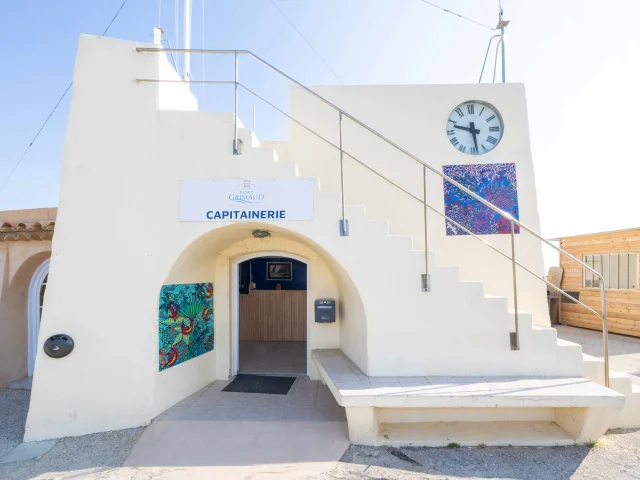
Port Grimaud Harbourmaster’s Office

For any questions about berthing, rates, or services such as water supply, winter storage, and so on, contact the Port Grimaud Harbourmaster’s Office, where staff will be happy to assist you.